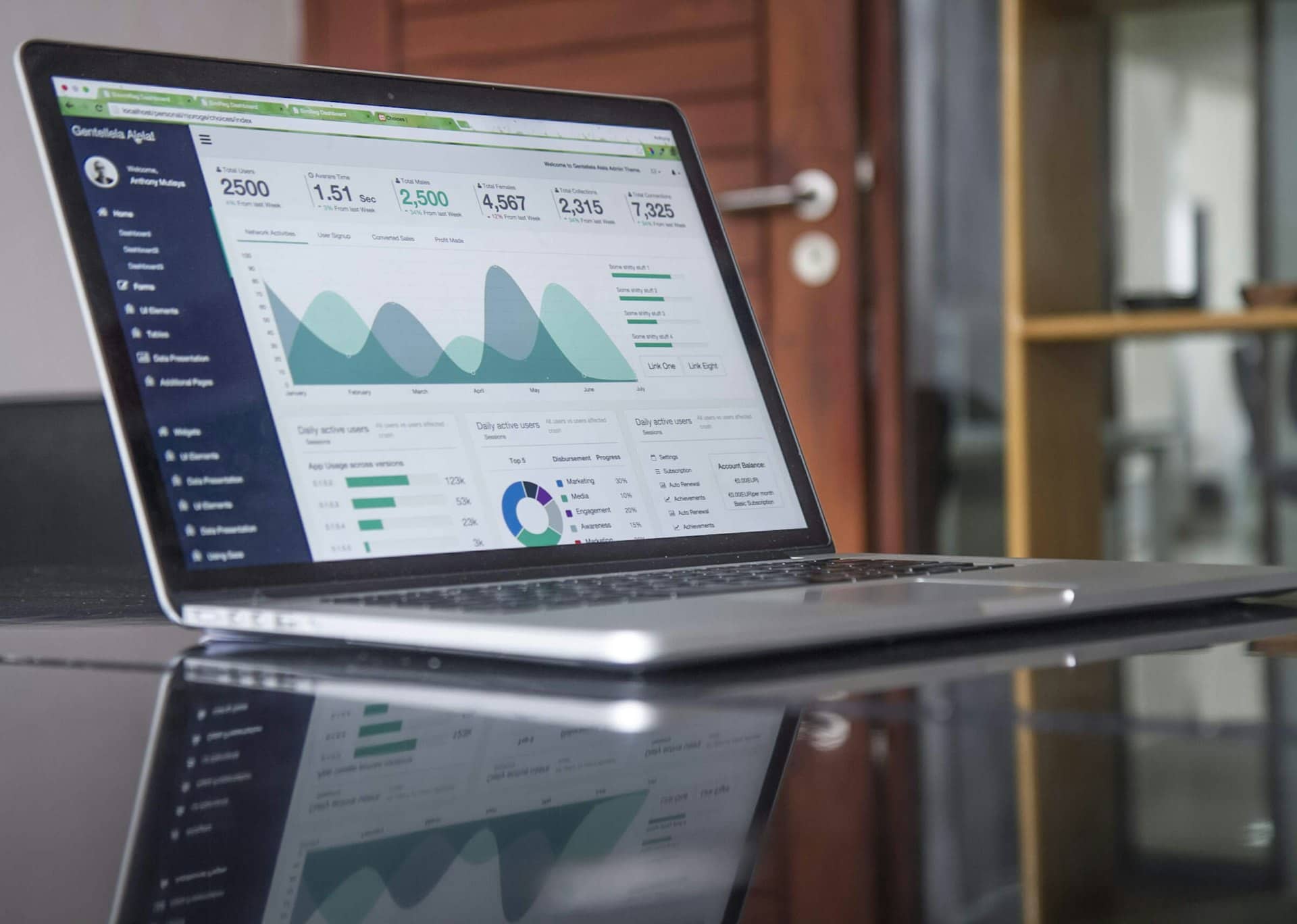
Predictive Analytics uses machine learning to forecast future outcomes based on historical patterns. AI models analyze years of data to predict revenue, customer behavior, churn risk, and business trends. Make proactive decisions instead of reactive ones. See problems before they happen and capitalize on opportunities before competitors notice them.
Revenue forecasting predicts future sales from your own history. Models consider historical revenue, seasonal patterns, pipeline data, and market conditions. See likely revenue for next month, quarter, or year with confidence intervals. Plan hiring, spending, and growth based on reliable projections instead of gut feelings.
Churn prediction identifies at-risk customers before they leave. AI analyzes usage patterns, support interactions, payment history, and engagement metrics to calculate churn probability for every customer. Proactive outreach to high-risk accounts gives your team a chance to save them. Save customers before they decide to cancel.
Customer lifetime value predictions guide acquisition spending. Know which customer segments will be most valuable over their lifetime. Spend more to acquire high-value customers and less on low-value segments. Marketing budgets become investments with predictable returns instead of expenses with uncertain outcomes.
Demand forecasting optimizes inventory and staffing. Predict product demand, support ticket volumes, or seasonal traffic spikes. Stock inventory before demand surges. Schedule staff based on predicted workload. Avoid stockouts and overstaffing with data-driven capacity planning.